

Does your Missoula business feel the shift in marketing challenges recently? Have you been struggling to see the same results from tried-and-true marketing campaigns? There’s an undercurrent that may be driving the changes you’re feeling. Let’s dive in!
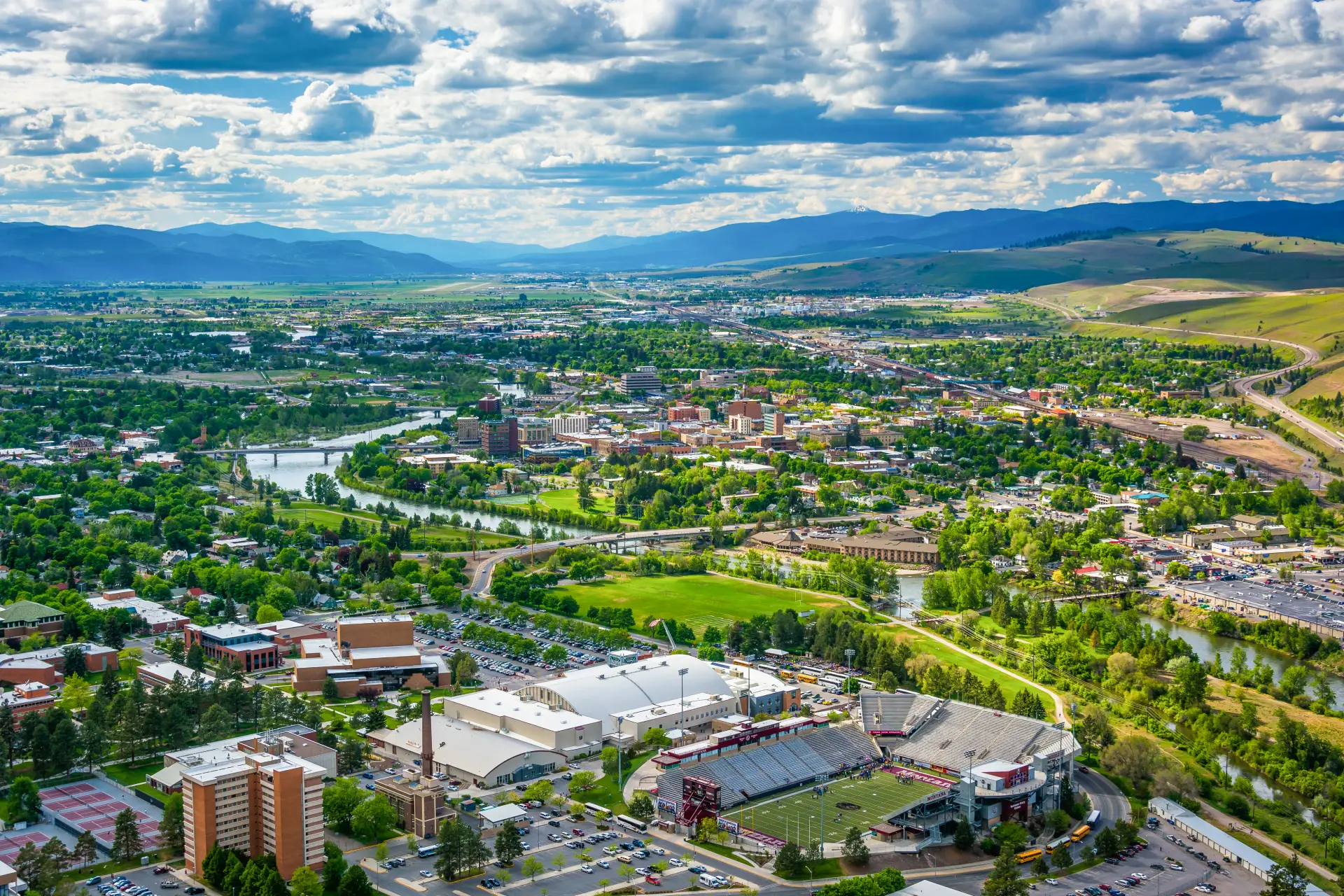
I don’t think you need cold, hard data to highlight that Missoula has experienced rapid growth and market fluctuations since COVID.
For many companies, the growth is great. The customer base continues to expand, and new industries are forming around lifestyle migration and remote work. Yet several new pressures now shape business development.
A Key Challenge: Building and Expansion Costs Continue to Climb
Commercial construction has become one of the largest hurdles for companies planning to open or expand in Missoula. Developers and property owners frequently point to rising material prices, contractor availability, and longer project timelines. Missoula is a valley restricted on all sides by the mountain range so space is finite.
A business that might have opened a storefront five years ago sometimes explores smaller footprints or shared spaces today. Renovating an existing property often becomes the preferred path. Several new ventures have launched inside multi-tenant buildings, where costs and risk can be spread across tenants.
The result is a slower path to expansion for some sectors, particularly retail and hospitality. This means that the demand for quick lead generation and sales becomes much higher as the upfront costs of launching a business as well as maintaining building costs is higher.
Missoula’s reputation has attracted a steady flow of entrepreneurs, but local founders continue to launch new ventures such as the ever-expanding Hydra Head of Logjam run by the Checotas; the multiple restaurants owned by Drake Doepke (SakeTome, Michi Ramen, and other affiliated establishments); or the hospitality-based centers owned by Walt Muralt. Expansion is a clear advantage for those familiar with the market. At the same time, companies from outside Montana continue to test the market through second locations or regional offices.
The Long & The Short of It: Competition Has Intensified
Several sectors feel the increase in competition more strongly:
Food and beverage operations continue to expand. Independent restaurants, craft breweries, specialty coffee shops, and food trucks remain a visible part of the local economy.
Professional services have grown alongside remote work. Marketing agencies, consultants, design studios, and software developers often serve clients across the country while operating locally.
Health and wellness businesses have also expanded. Fitness studios, physical therapy providers, and holistic health services reflect demand from both longtime residents and newer arrivals.
More choice benefits customers, yet it also raises the bar for differentiation. It hasn’t been uncommon to see another retail spot fill their agreement for only a year before it turns out to a new vendor. Missoula has a large population of younger 20-somethings who are already piecing together rental costs and may not have as much expendable income as a retiree. Visitors to Missoula that have the kind of income to drive successful and sustainable B2C sales are highly seasonal, so establishments should plan budgets wisely around feast-and-famine cycles.
In addition to expanded growth from existing juggernauts, Missoula also sees a variety of new businesses popping up over the last 5 years.
How many new businesses are we talking about?
Reports from the Downtown Missoula Partnership show consistent new business activity:
- 2020: 22 new businesses
- 2021: 19 new businesses
- 2022: 32 new businesses
- 2024: 26 new businesses opened downtown
These numbers cover only the downtown district, which represents a small portion of the total city economy. In the last several years, Missoula has averaged 2 new businesses for every 1 closure. If you’re feeling pressure, this is likely the reason why. Even if a business doesn’t survive the year, you’re still working against more consumer choices, taking away from your profitability.
The Hidden Struggle: Relationships
Missoula continues to operate as a relationship-driven economy. Many local industries rely on direct interaction between staff and customers. Service quality, reputation, and community visibility play a major role in long-term success.
Restaurants, hospitality groups, medical providers, personal care businesses, and guided recreation companies all depend on human interaction. Word-of-mouth recommendations travel quickly in a city of Missoula’s size. People are 8x as likely to mention a negative experience as a good one, so creating a strong culture that drives positive interactions is a key to your business growth.
One unexpected way that this necessity can come back around for business owners is if they are not driving a smooth and positive hiring and retaining experience for their employees. If you’re turning out employees as quickly as clients, their word is going to drive down sales more than you realize.
Hiring, retaining, and onboarding employees is actually an excellent channel for marketing to address via the website, onboarding materials, and employee experience.
Healthcare Expands and So Does the Need for a Streamlined & Delightful Experience
Healthcare remains one of the most visible growth sectors in the Missoula area. Clinics, specialty practices, and hospital systems continue expanding services as the population increases and the region attracts retirees seeking access to quality care.
Aside from expanding standard care – think rehabilitation providers, behavioral health organizations, and specialty clinics – Missoula also supports a broad culture of wellness-oriented specialty care.
Acupuncture clinics, massage therapy practices, IV hydration providers, oxygen therapy services, float or sensory deprivation tanks, and salt therapy rooms have appeared across the city over the past decade. It’s a testament to the many residents who focus on preventative health, recovery from outdoor recreation (hangovers), and holistic wellness.
Population growth often affects healthcare demand before it becomes visible in other sectors. New residents typically search for primary care providers, specialists, or urgent care services soon after relocating.
Differentiation is likely their key issue and establishing a loyal customer base that feels comfortable, understands the need for their services, and has a good experience with costs and billing. Integrating a website with adequate booking platforms and making the loyalty seamless is an essential piece to driving success. Additionally, educating your clientele with print materials and articles is a valued way to help them determine what type of care will best help them.
Construction and Contracting Need to Vet Contracts
Construction firms and contractors have experienced sustained demand as residential and commercial development moves forward across Missoula and surrounding communities. New housing projects, business expansions, and infrastructure improvements continue to drive work across the region.
They face a lot of operational costs such as fluctuating material prices and a limited pool of skilled trades workers.
But beyond that, they need to locate and vet ideal prospects. Having a streamlined and effective RFQ process can help their team identify projects, gather all the necessary information, and provide more accurate input right off the bat.
Nonprofits Supporting a Growing Community
Nonprofit organizations carry a significant share of Missoula’s community services. Housing support groups, healthcare nonprofits, youth programs, and arts organizations work closely with both public agencies and private donors.
Population growth increases demand for many of these services. Housing assistance, mental health programs, and food security initiatives often experience rising caseloads when communities expand quickly.
Funding competition has also increased. Regional nonprofits often seek support from the same pool of donors, grants, and corporate sponsors. Organizations therefore spend more time communicating their impact and building partnerships with local businesses.
Many nonprofits collaborate closely with healthcare providers and community development groups. The right marketing support can help nonprofits discover the right partnerships, find and source grant opportunities, and establish a reliable donor network to keep sustained growth.
Marketing for Missoulians
Steady growth is a double-edged sword. You get higher tourism, more diversity, more spending but also more competition and buyer choice. Nearly every organization, whether its B2B to B2C faces similar issues:
- A need to differentiate their brand
- Discovering their niche within the community
- Making the experience from booking (RFQ) to delivery a good one
- Finding, hiring, and retaining quality employees
- Offsetting higher operational costs by driving more predictable leads
The city’s growth shows few signs of slowing. Businesses and organizations that adapt to changing demand, maintain strong community relationships, and invest in long-term capacity will continue shaping Missoula’s economic future.