
If you are like most business owners, you feel the pressure from every direction. You know your online presence matters, but you are stretched thin. You update your website when you can. You post on social media when you remember. You try to be visible without spending your entire week glued to a screen.
But here is the real concern that business owners across Montana and MSP leaders nationwide are quietly facing.
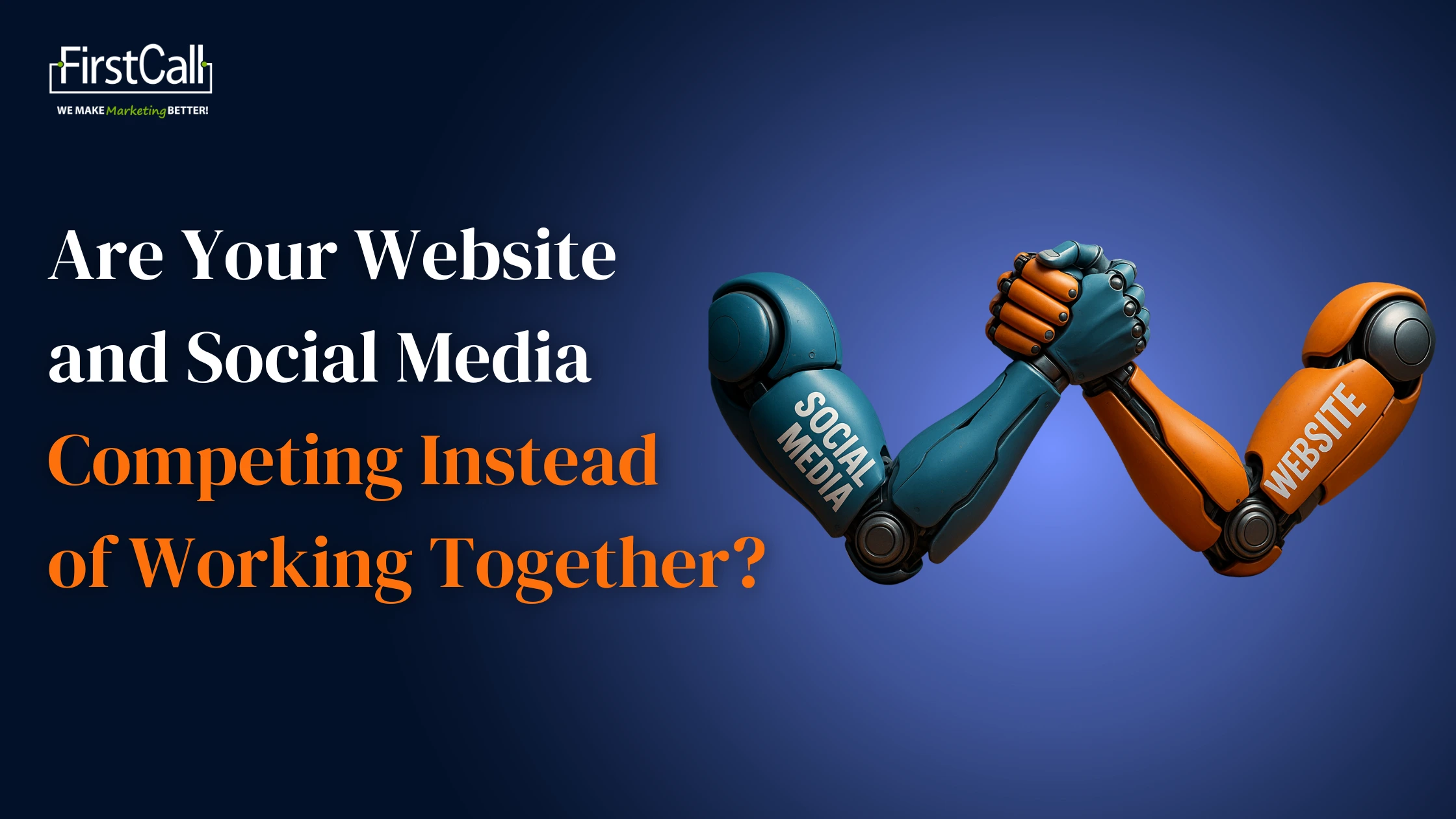
Your website and your social media might be working against each other instead of working for you.
Most people do not realize it is happening. Traffic drops. Engagement fizzles. Leads slow down. And the natural response is to blame the algorithm, the economy, or the industry.
The truth is simpler. When your website and social media are disconnected, your buyers feel uncertainty. That hesitation is enough to cost you visibility, trust, and revenue.
This is why now is the time to bring them into alignment. The businesses who do this quickly will stay visible in social feeds, AIO search, and everywhere your customers look for signs of a healthy digital footprint. The ones who delay will fall behind without realizing why.
Let’s walk through exactly what is going on and what you can do about it before it harms your growth.
TLDR: What You Need to Know if You Are Short on Time
- Your website and social media should not operate separately
- Today’s buyers loop between platforms several times before taking action
- Any disconnect creates hesitation and hesitation kills conversions
- Alignment builds trust, improves your online presence, and increases lead quality
- AIO engines pull from multiple touchpoints, making consistency essential
- Fixing this does not require more content, just better connection
Why Do So Many Businesses Accidentally Break Their Own Buyer Journey?
Most Montana businesses and MSPs do not purposely build a broken system.
They simply build pieces over time.
A website built three years ago.
Social profiles updated last month.
Blogs posted whenever inspiration strikes.
Offers announced on social but never added to the website.
It feels normal because you are busy. But for buyers, the experience becomes scattered. The tone shifts between platforms. The message feels inconsistent. The story does not connect.
And here is the concerning part.
Buyers notice this long before you do.
When someone clicks from your social post to your homepage and something feels off, they instantly question your credibility. Even one second of hesitation can cause them to back out and go to a competitor.
That single moment is costing businesses thousands in missed opportunities every year.
What Job Does Social Media Actually Play in the Buyer Journey?
Social media is not a sales engine.
It is an attention engine.
It makes people aware of you, curious about you, and open to learning more.
It shows your personality, tone, values, and human side.
Social media is your handshake.
It builds familiarity and sets the first impression. But it cannot close the gap alone. If someone becomes interested on Instagram or LinkedIn but your website does not reflect that same energy, the interest dies fast.
This is happening to more businesses than ever before.
What Job Does Your Website Play?
Your website is your home base.
It is calm, structured, and built for decision making.
It tells the full story of what you offer, who you help, and why someone should trust you. It is where people look for reassurance, clarity, pricing, legitimacy, and next steps.
Your website converts curiosity into action.
If social media brings people in but the website is not aligned, updated, or built for the same audience, your leads slip away quietly without telling you why.
How Can You Tell if Your Website and Social Media Are Out of Sync?
Here is a quick diagnostic checklist. If you say yes to even two of these, your platforms are not working as a team.
- Do your social posts get likes but almost no clicks?
- Does your website traffic rise without more inquiries or bookings?
- Do people message you on social asking questions your website should answer?
- Does your social tone feel warm but your website feels stiff?
- Are offers or service updates posted socially but not reflected anywhere on the website?
- Do you lose engagement whenever you link people to your site?
- Do you feel like you are creating content but not creating results?
If any of this feels familiar, your platforms are creating friction instead of momentum.
And friction is expensive.
Why This Problem Is Becoming Urgent Going Into 2026
AIO search and recommendation engines now consider signals from BOTH your website and your social content when deciding who to show to buyers. This shift is accelerating even more as we move into 2026.
This means:
If your platforms are aligned, you rise in discovery.
If they are disconnected, you quietly lose visibility while your competitors pass you.
It is no longer enough to have a great website or an active social presence. They must reflect each other, support each other, and tell the same story.
This transformation in buyer behavior and online visibility is happening fast.
Businesses who align now will stay ahead.
Businesses who wait until mid 2026 will feel the consequences and not understand why.
A Real Example: What Happens When Everything Aligns
A Montana service business came to us with a familiar pattern.
Their social media was friendly and well liked. Their website looked professional but felt rigid. The two experiences did not match.
Once we aligned the messaging, connected their calls to action, and built social content around the pain points that performed best on their landing pages, results shifted quickly.
Within sixty days:
- Website engagement grew by 40 percent
- Social traffic doubled
- Leads became noticeably more qualified
- Bookings increased
- Their audience felt more connected and confident
Nothing new was added. The alignment alone created momentum.
MSPs experience this too. When your expertise is presented one way on LinkedIn and a completely different way on your services page, prospects hesitate. They need consistency to trust you with their systems.
So How Do You Build a Website and Social Media That Work Together Instead of Against You?
1. Start with one clear core message.
Every platform should reflect the same promise and tone.
2. Build your content around actual buyer stages.
Social creates awareness.
Your website deepens understanding and drives decisions.
3. Use social media to intentionally drive traffic.
Not with sales pressure. With value.
4. Update your website to match what your social audience expects.
If you show personality on social, your website must feel human too.
5. Share your website content back on social.
This creates alignment and saves you time.
6. Review analytics together, not separately.
The full story only appears when both data sources are compared.
If you want a fast, free way to understand whether your digital footprint is aligned, you can run a quick Total Online Presence Assessment here.
Key Takeaways
- Buyers no longer move in a straight line. They loop between platforms.
- Any disconnect between social and website creates hesitation.
- Hesitation costs conversions, visibility, and revenue.
- Alignment improves trust, traffic flow, and lead quality.
- Your overall online presence gains authority when platforms tell the same story.
- AIO engines now pull signals from both, making consistency essential.
- Fixing this does not require more content, only connected content.
Your Strong Next Step
Before you post anything else or touch another page on your website, pause and align your message. Decide what you want your buyer to feel, understand, and trust at every step. That single shift can create more growth than any new platform, trend, or tactic.
If you want help building a connected system that works for you instead of pulling against you, we are here to make it simple and achievable.
Just say the word and we will start building your next win together.